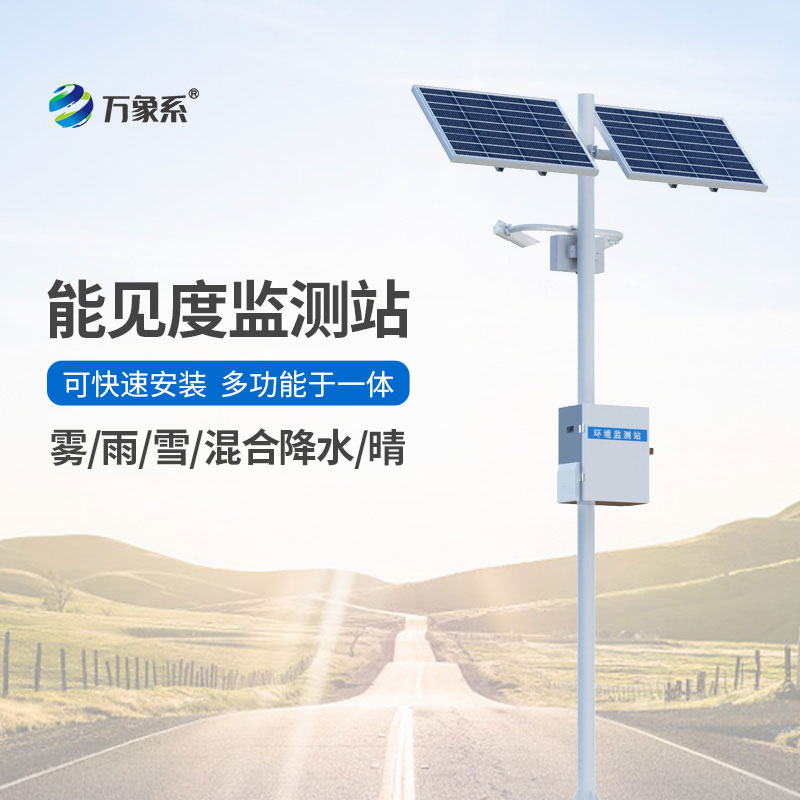
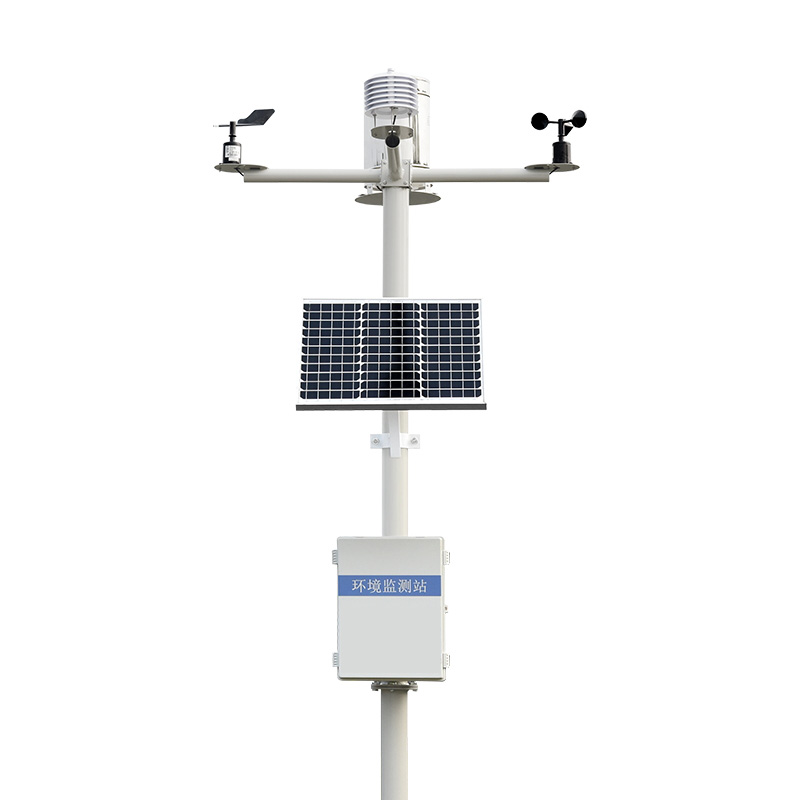
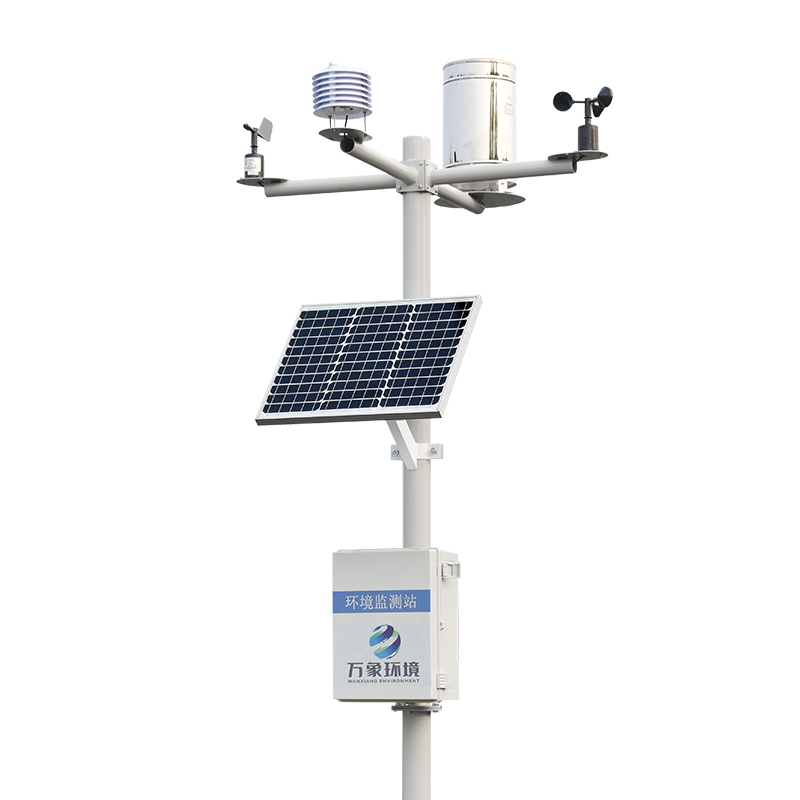
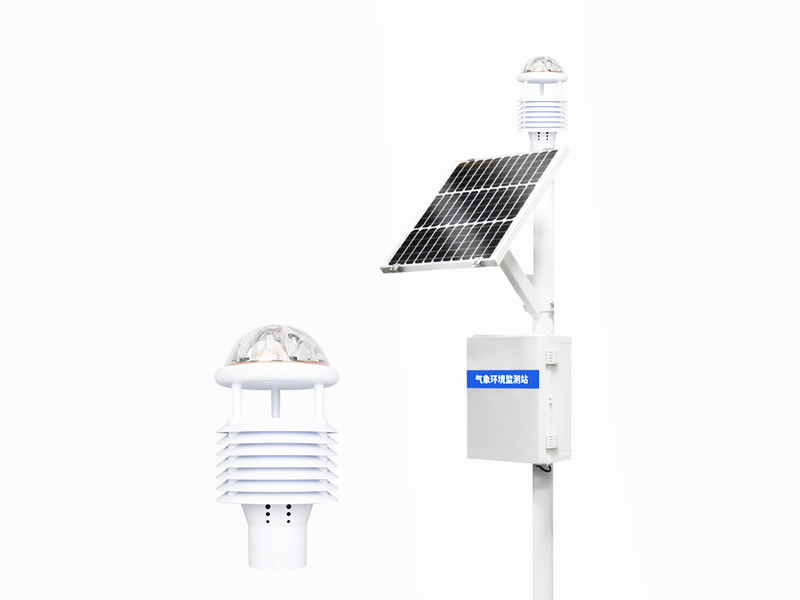
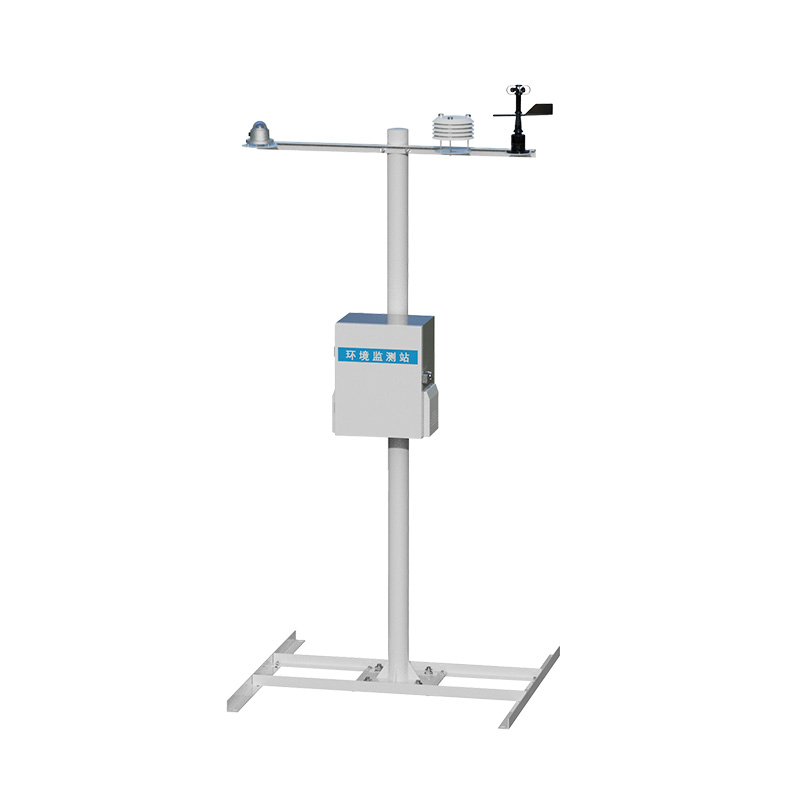
Road traffic safety is highly susceptible to outdoor meteorological environments. Especially in low-visibility weather such as rain, fog haze, sandstorms, and dense fog, these conditions are the core triggers for road congestion, traffic accidents, and highway closures. The sudden occurrence of dense fog on many road sections is characterized randomness and locality, which traditional large-scale weather forecasts cannot accurately predict. Meanwhile, manual road inspections suffer from shortcomings such as slow response, limited coverage, and high difficulty in nighttime, making it hard to grasp real-time changes in road visibility immediately. The WX-NJD10 Traffic Visibility Monitoring Meteorological Station is an intelligent monitoring device specifically developed for road traffic. Focusing on the core pain points of highway traffic safety, it can capture real-time road visibility and supporting meteorological changes, achieving all-weather dynamic monitoring and early warning, and becoming indispensable core intelligent facility in current smart transportation and road security systems.
In modern traffic operation and maintenance, conventional meteorological equipment monitors a broad range of dimensions but cannot specifically adapt to the monitoring of local road microclimates. It is difficult to accurately capture the sudden drop in visibility caused by short-term fog patches, dust, or road surface moisture on road sections, which leads to delayed traffic control and poses significant safety hazards. Traditional road environment management models mostly rely on manual inspections, driver feedback, and backend monitoring observations. These monitoring methods are passive and have timeliness, making it impossible to achieve 24-hour uninterrupted duty monitoring. Relying on intelligent sensing and monitoring technology, the WX-NJD10 Traffic Visibility Monitoring Meteorological requires no manual intervention and can autonomously complete the real-time collection, analysis, and uploading of road visibility and related meteorological elements. This transforms road meteorological hazards from "post-event" to "early prediction and proactive control," comprehensively enhancing the risk prevention and control capabilities of road traffic meteorology.
The WX-NJD10 Traffic Visibility Monitoring Meteorological Station comprehensively cover various road traffic scenarios and adapt to the normalized operation and maintenance needs of urban and rural smart transportation. Whether it is highways, national and provincial trunk roads, dangerous mountain road, or roads near water and cliffs, as well as airport expressways, urban main roads, and industrial park traffic sections, it can be flexibly deployed and used. The device can monitor the dynamic changes in visibility of various road sections, accurately identify the occurrence time, coverage area, and change trends of severe low-visibility weather. It provides real and effective data for traffic control, road condition broadcasting, road diversion, and early warning prompts, helping traffic management departments achieve scientific scheduling and precise policy implementation, thereby minimizing the impact of severe weather on road.
Article address:
http://www.qxhjjc.com/en/newcen/1906.html






 Home
Home phone
phone Product Overview
 Contact Us