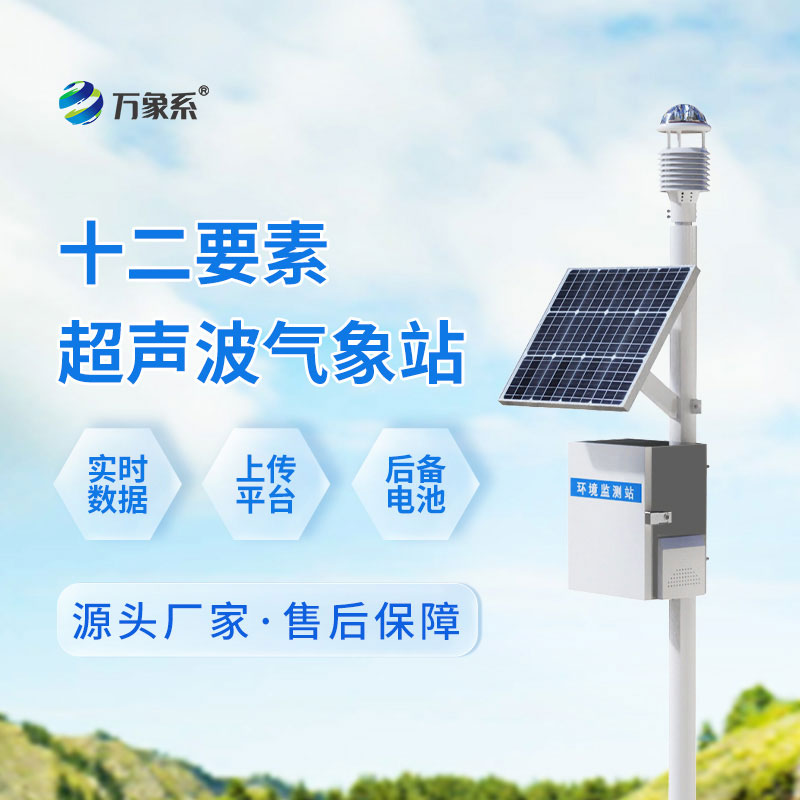
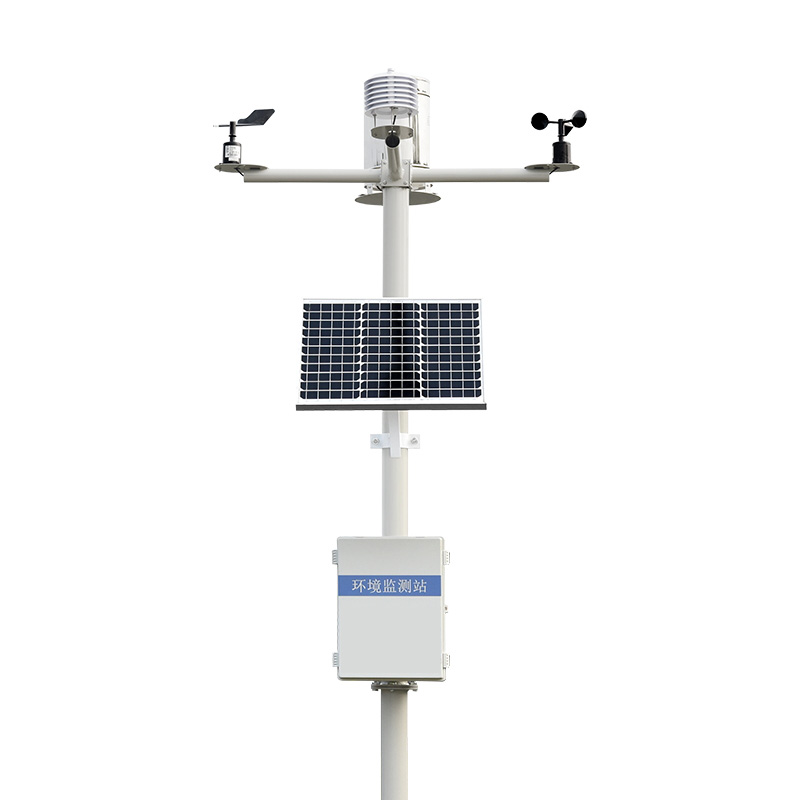
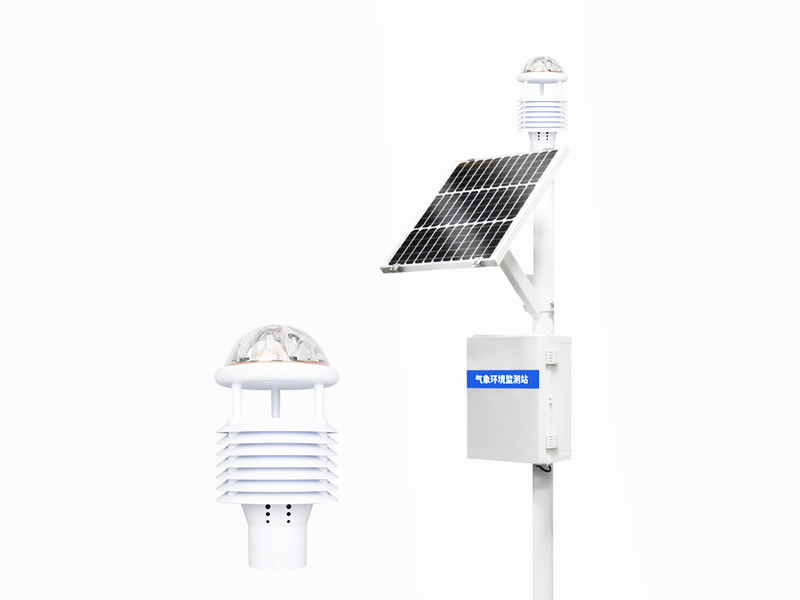
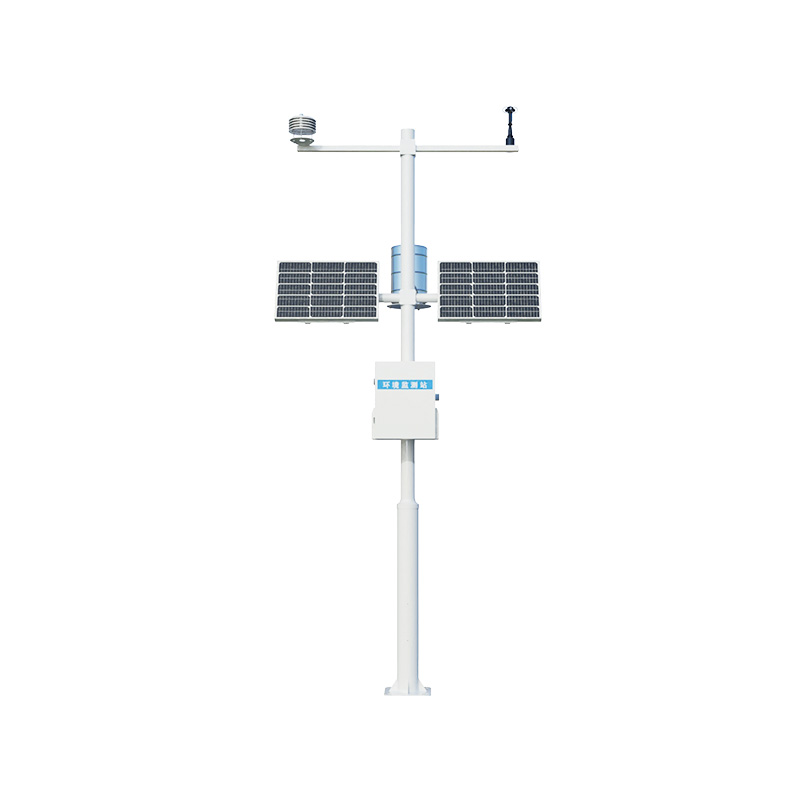
The WX-CQX12 ultrasonic automatic weather station, with its unique advantage of non-contact, captures the subtle changes in wind, temperature, and humidity in various outdoor scenarios, providing reliable support for meteorological observation and scene management. It breaks the limitations of traditional weather stations rely on mechanical parts and are easily affected by environmental wear, ensuring stable operation around the clock without the need for frequent maintenance and calibration. This allows for more worry-free and preciseological monitoring, making it a smart partner for meteorological services in various industries.
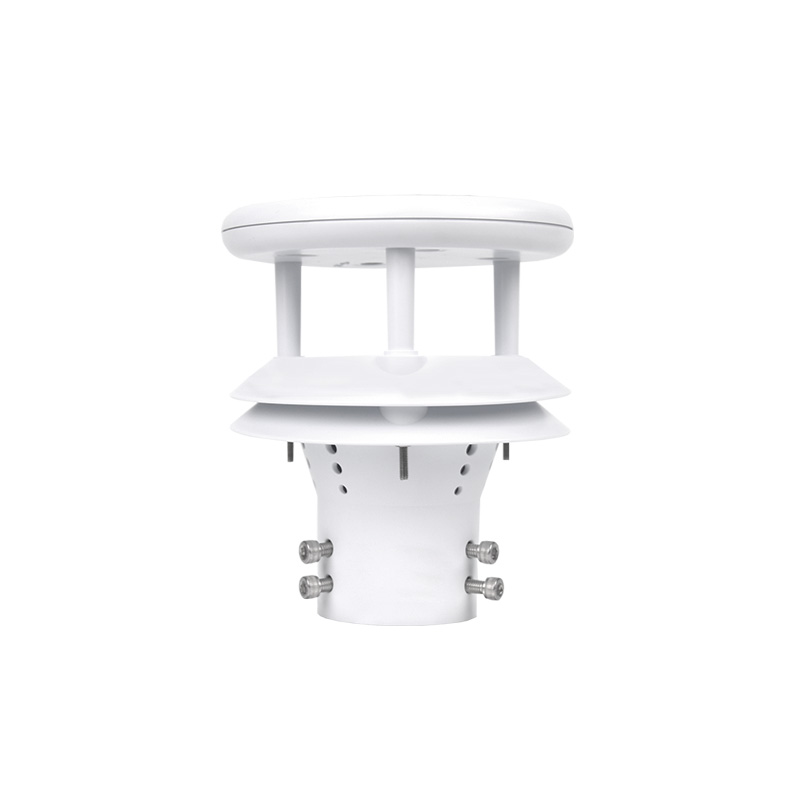
The core value of the WX-CQX12 ultrasonic automatic weather lies in its precise data collection through non-contact methods, balancing stability and adaptability to complex outdoor environments. Traditional monitoring devices with mechanical parts are susceptible to erosion from wind and, rain, and snow, affecting data accuracy and lifespan. However, this weather station operates based on the principle of ultrasonic sensing, eliminating the need for contact with the measured. This not only avoids environmental wear but also quickly captures instantaneous meteorological changes, providing high-quality data support for outdoor monitoring and disaster early warning.
It can adapt to outdoor environments and still output stable data under harsh conditions. Whether it is the desolate desert with raging sandstorms, the mountainous areas with humid and rainy weather, the coastal with heavy salt fog, or the plateau with drastic temperature differences, the ultrasonic automatic weather station can deal with them calmly without being troubled by issues such as sand and blockage or component rust. Compared to the frequent faults and cumbersome maintenance of traditional weather stations, it can operate autonomously for a long time, greatly reducing the operation and maintenance of outdoor monitoring.
The ultrasonic automatic weather station, with its innovative advantage of non-contact monitoring, has broken the limitations of traditional meteorological monitoring, balancing precision stability, and adaptability, and has become an important part of the modern meteorological observation system. It does not rely on complex mechanical structures but can transmit reliable meteorological data based its core capability of ultrasonic sensing. Whether it is guarding production safety, aiding industry management, supporting meteorological research, or ensuring the travel of the people's, it plays an irreplaceable role, making meteorological services closer to demand and more precise and efficient.
Article address:
http://www.qxhjjc.com/en/newcen/1837.html








 Home
Home phone
phone Product Overview
 Contact Us