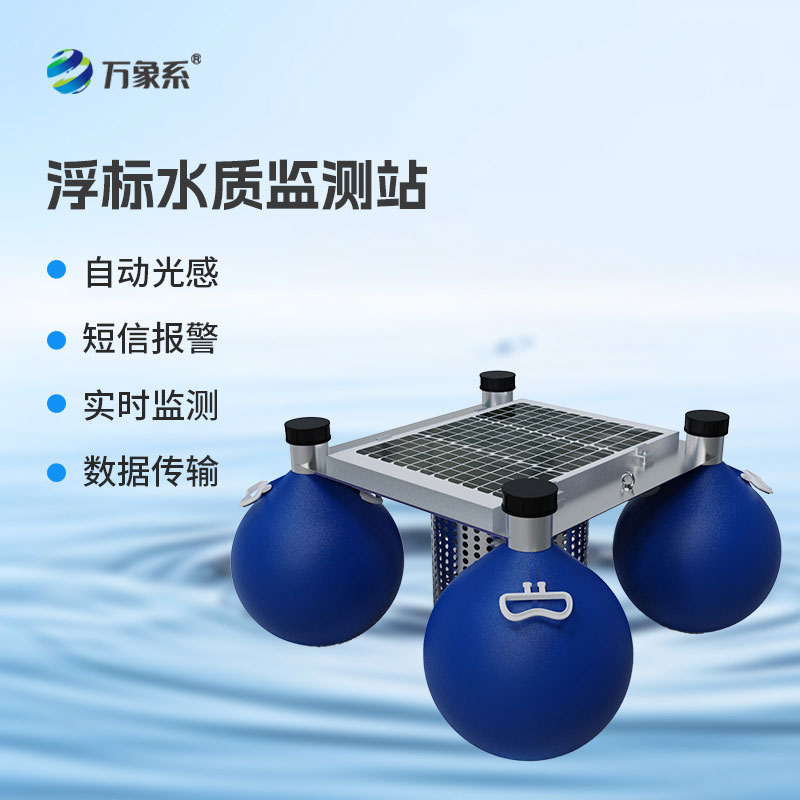
When mentioning the WX-SFA06 Buoy Water Quality Automatic Monitoring Station, many people may have seen presence on the water surface—floating like a "water sentinel" silently guarding the aquatic environment. In fact, its core function is quite simple: to float in the monitoring area, mater quality in real-time, automatically capture water quality changes, convert invisible water quality indicators into viewable and analyzable information, and promptly feedback whether there are any abnormalities in th water body, providing reliable support for water quality protection and governance.
The greatest advantage of the WX-SFA06 Buoy Water Quality Automatic Monitoring Station is being "fully automa all-weather." It requires no manual supervision or manual sampling; floating on the water surface, it can operate uninterruptedly 24 hours a day. Whether it is sunr rainy, day or night, it can stably monitor water quality changes, thoroughly solving the pain points of low efficiency, high lag, and narrow coverage associated with manual monitoring. Staff nonger need to frequently travel back and forth to the monitoring area for sampling, greatly reducing work intensity and making water quality monitoring "real-time and routine."
For water quality protection work, value of the buoy water quality automatic monitoring station is self-evident. It can keenly capture abnormal changes in water quality; once harmful substances affecting water quality are detected in the wody or water quality indicators show abnormal fluctuations, it will promptly issue a warning signal to remind relevant departments to respond quickly and handle the situation in a timely manner, avoiding further deterioration of wter quality. This capability for early warning and rapid response can effectively prevent water pollution accidents, protect the ecological balance of water bodies, and safeguard the safety of drinking water and production water fohe public.
In addition to real-time monitoring and warning, the buoy water quality automatic monitoring station can also achieve comprehensive, blind-spot-free monitoring. Floating on the water surface, it is noestricted by water terrain or current speed, allowing it to reach areas difficult for manual monitoring to cover and fully grasp the water quality status of the entire monitoring area, avoiding monitoring blind sp. Whether it is vast lakes, winding rivers, nearshore seas, or reservoir areas, it can stably perform its monitoring function, providing comprehensive and accurate reference data for water quality grnance.
Nowadays, the buoy water quality automatic monitoring station has been widely applied in various water bodies, becoming a "capable assistant" for water quality protection and governance. It only changed the passive situation of traditional water quality monitoring, shifting monitoring work from "manual sampling" to "automatic monitoring" and from "lagging disposal" to "early warninlso provided strong support for water body ecological protection, promoting the development of water quality governance towards scientific and intelligent。
Article address:
http://www.qxhjjc.com/en/newcen/1870.html








 Home
Home phone
phone Product Overview
 Contact Us