Road traffic is the core lifeline for regional economic circulation and public travel, and road traffic safety is directly related to social livelihood and the stability of traffic order. Among the factors affecting highway driving safety, local meteorological conditions are one of the most significant and sudden risk sources. Weather conditions such as heavy fog, heavy rainfall, icy roads, slippery pavement, crosswinds, snow, dust, and sand can significantly degrade road traffic conditions, causing hidden dangers such as obstructed vision, longer braking distances for vehicles, and slippery roads, which are highly prone to triggering traffic accidents such as rear-end collisions, rollovers, and congestion. Traditional traffic meteorological warnings mainly rely on large-scale public meteorological forecasts, which can only provide regional weather trends and cannot accurately capture local micro-meteorological changes in special road sections such as mountainous areas, elevated bridges, road sections near water, and tunnel entrances and exits. Many highway sections experience "different weather within a ten-mile range," with lagging and insufficiently accurate large-scale forecast data, making it difficult to meet the real-time needs of traffic control. With the continuous advancement of smart transportation construction, refined road management and maintenance, and proactive safety prevention and control have become industry trends. The widespread deployment of WX-GQX8 highway traffic meteorological observation stations has completely filled the blind spots in road meteorological monitoring and become the core intelligent facility for modern highway traffic safety operation and maintenance.
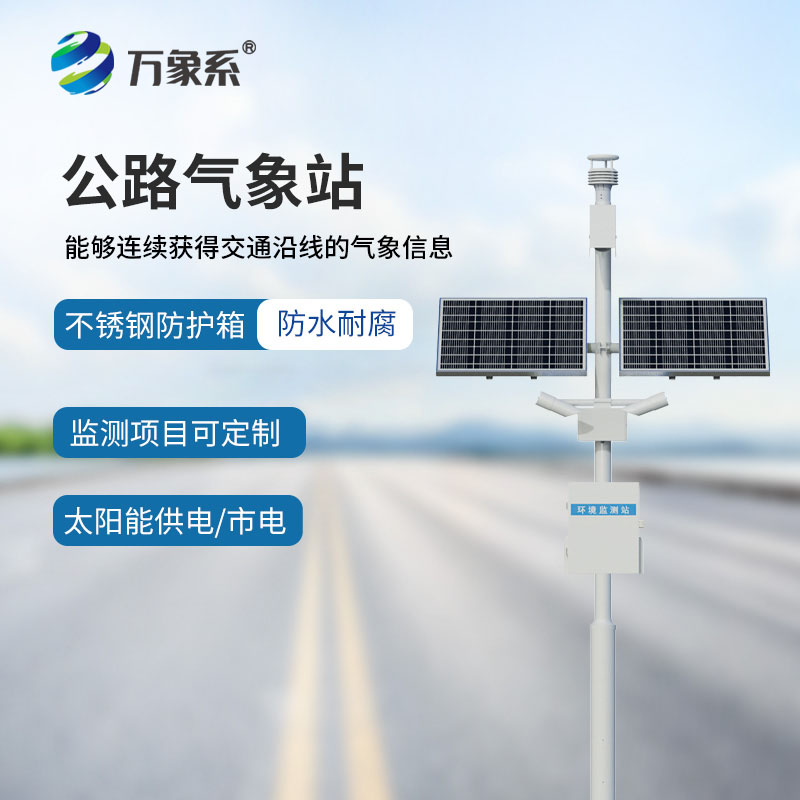
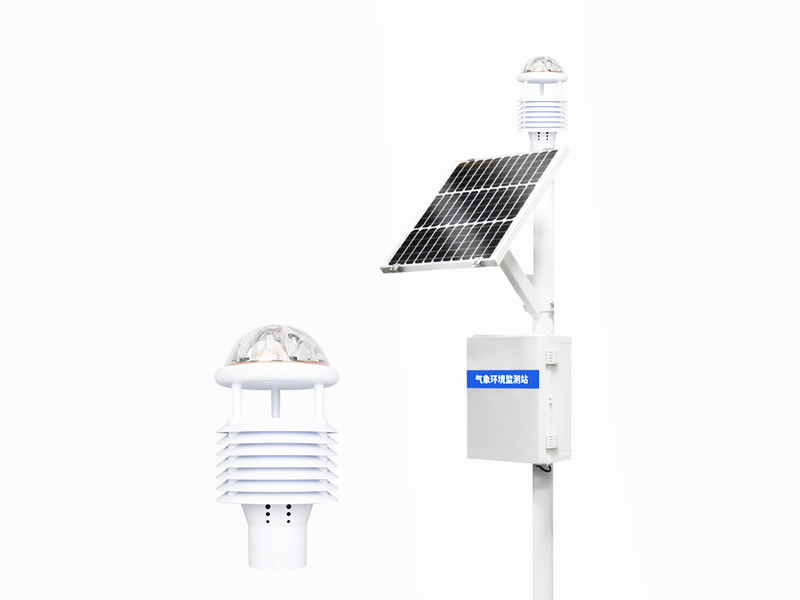
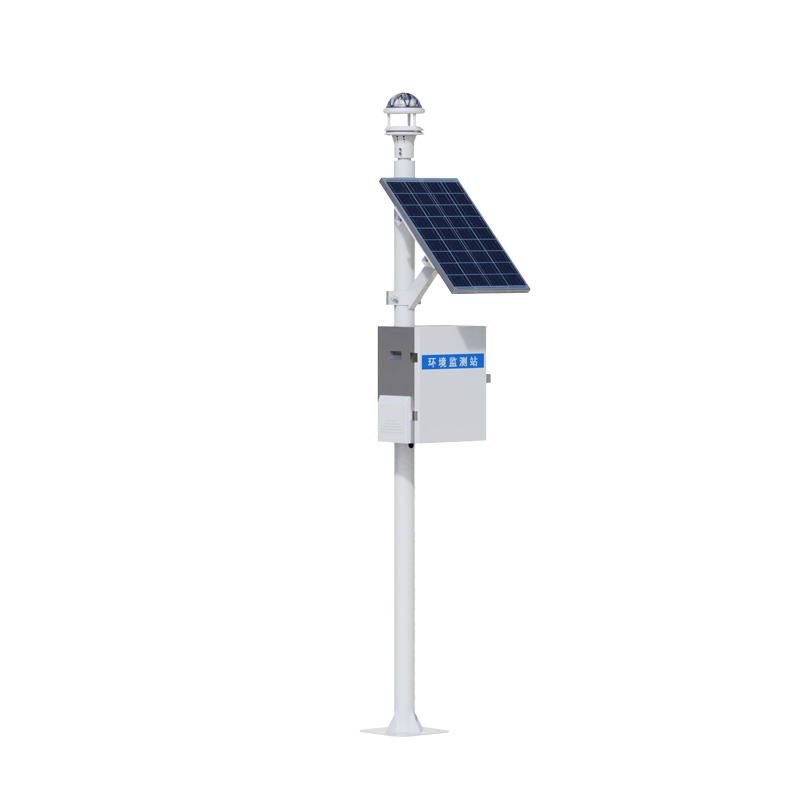
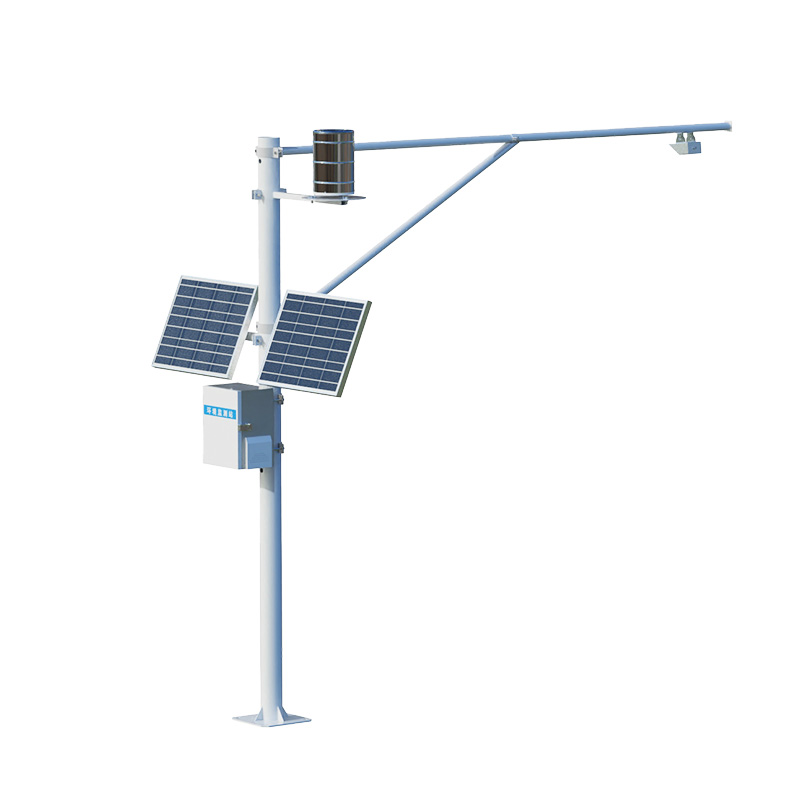
The WX-GQX8 Highway Traffic Meteorological Observation Station is an intelligent meteorological monitoring device tailored specifically for road traffic scenarios. Distinct from ordinary civilian meteorological equipment, it is fully designed around the needs of highway traffic safety and road environment monitoring, focusing on the dynamic monitoring of road surface conditions and road airspace meteorology. The device overcomes the shortcomings of traditional meteorological equipment, which are strong universality and weak specificity. It can autonomously collect various meteorological and road surface environmental data along the highway in real-time, providing real-time feedback on the actual traffic conditions on the road. The entire set of equipment operates automatically without human supervision, eliminating the need for repeated manual inspection and recording. It can independently complete data collection, analysis, remote uploading, and abnormal warning tasks, upgrading the previous passive management and protection mode, which relied on weather forecasts and manual road inspections, to a data-driven, real-time, and refined active prevention and control mode. This provides accurate and reliable data support for traffic management, road condition warnings, and road scheduling.
Most traffic safety accidents on WX-GQX8 highway originate from sudden local meteorological changes. Compared to urban regular weather, the microclimate of mountain roads, highway networks, and elevated roads is more complex and variable. Situations such as morning fog clusters, winter road icing, sudden strong storms and rainstorms, and autumn and winter dust and snow accumulation often exhibit characteristics of strong localization, short duration, and high hazard level. It is difficult to detect these situations in a timely manner through manual inspection, and conventional meteorological forecasts cannot accurately cover them. Hidden hazards such as road icing and thin frost are difficult to distinguish with the naked eye, but they can directly lead to vehicle loss of control, which is the main cause of road accidents in winter. Traditional traffic management and protection modes can only carry out guidance and control after accidents occur and congestion forms, and prevention and control work is always in a passive state. Highway traffic meteorological observation stations can monitor road environmental changes 24 hours a day, capture various subtle meteorological fluctuations in real time, provide timely warnings at the early stage of hidden hazards, and help traffic management departments to advance speed limit reminders, traffic guidance, road section control, and other work, thereby reducing meteorological-induced road safety accidents from the source.
Article address:
http://www.qxhjjc.com/en/newcen/1904.html






 Home
Home phone
phone Product Overview
 Contact Us