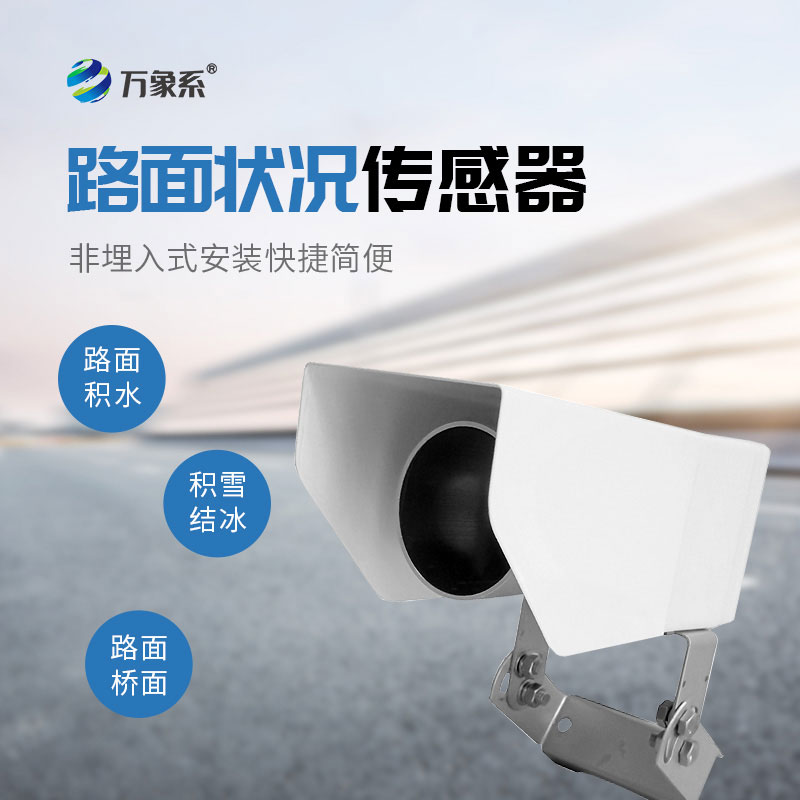
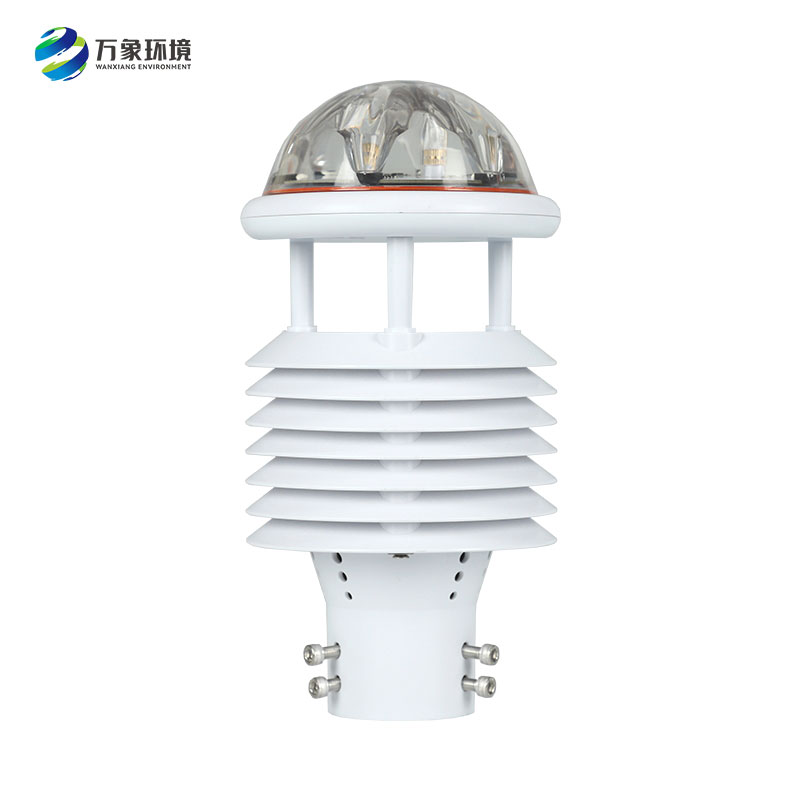
In the field of traffic safety, the emergence of WX-LM2 non-contact road surface condition sensor has the limitations of traditional road surface monitoring relying on contact detection and poor adaptability. With its core characteristics of non-contact perception and precise recognition, it has become a new type of to master the real-time state of the road surface. It gets rid of the dilemma of traditional detection methods being easily affected by road wear and weather, enabling road surface condition monitoring shift from passive detection to active perception. Whether it is highways, urban main roads, or key sections such as bridges and tunnels, it can capture the state changes of road dryness wetness, icing, and snow accumulation in time, providing reliable support for traffic control and travel guidance, and building a solid safety defense line for road traffic.
Remote sensing is the most core advantage of WX-LM2 non-contact road surface condition sensor. Traditional road surface condition detection often requires direct contact between equipment and the road surface, is prone to wear and potholes on the road surface, leading to a decrease in detection accuracy over time, and is prone to failure in bad weather. The non-contact surface condition sensor, with the help of advanced sensing technology, can complete monitoring without direct contact with the road surface, which can not only avoid the wear and tear of road environment on and extend the service life, but also reduce the errors caused by contact detection, making the monitoring more stable and reliable.
Precise state recognition capability makes road hazards nowhere to. The road surface condition is complex and changeable, and slight changes such as the degree of dryness and wetness, the thickness of ice, and the coverage of snow may traffic safety. Traditional detection methods find it difficult to distinguish precisely. This sensor can sensitively capture various state changes of the road surface and precisely identify different road conditions. Even in visibility bad weather such as night, heavy fog, and heavy rain, it can clearly judge the real road conditions, providing precise judgment basis for traffic control.
Real-time characteristics guarantee the timeliness of control measures. Road surface conditions are affected by the weather and change rapidly, such as sudden rainfall causing the road surface to become slippery, and cooling causing road surface to ice. Traditional detection methods have a delayed response and are prone to miss the best control opportunity. The non-contact road surface condition sensor can monitor around the clock withoutruption, and quickly feedback information at the moment when the road surface condition changes, allowing traffic control departments to grasp the situation in the first time and take timely measures such as speed limits warnings, and ice and snow removal, to reduce the risk of traffic accidents.
Article address:
http://www.qxhjjc.com/en/newcen/1827.html








 Home
Home phone
phone Product Overview
 Contact Us