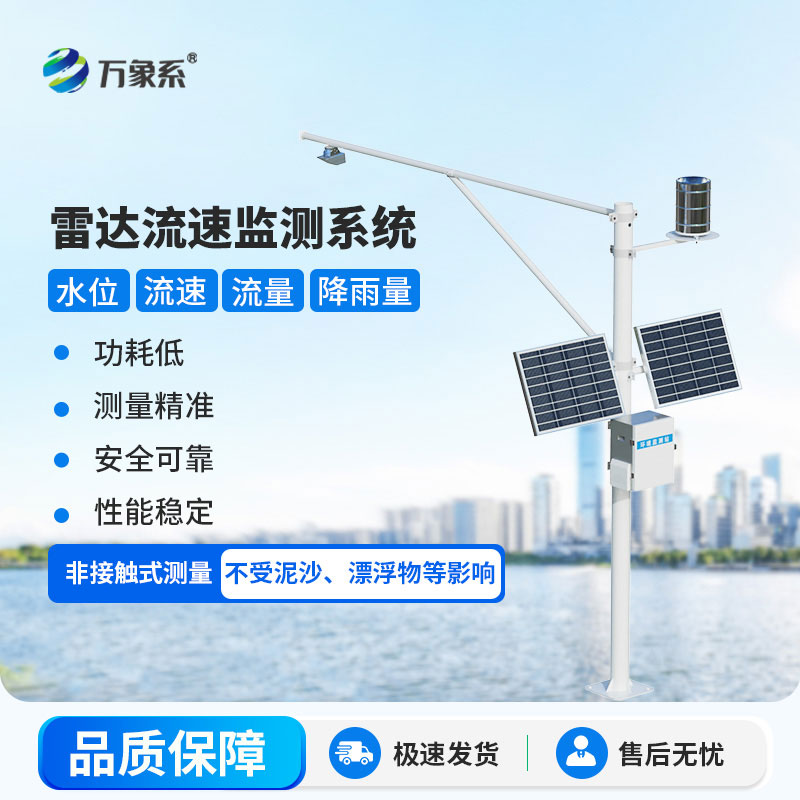
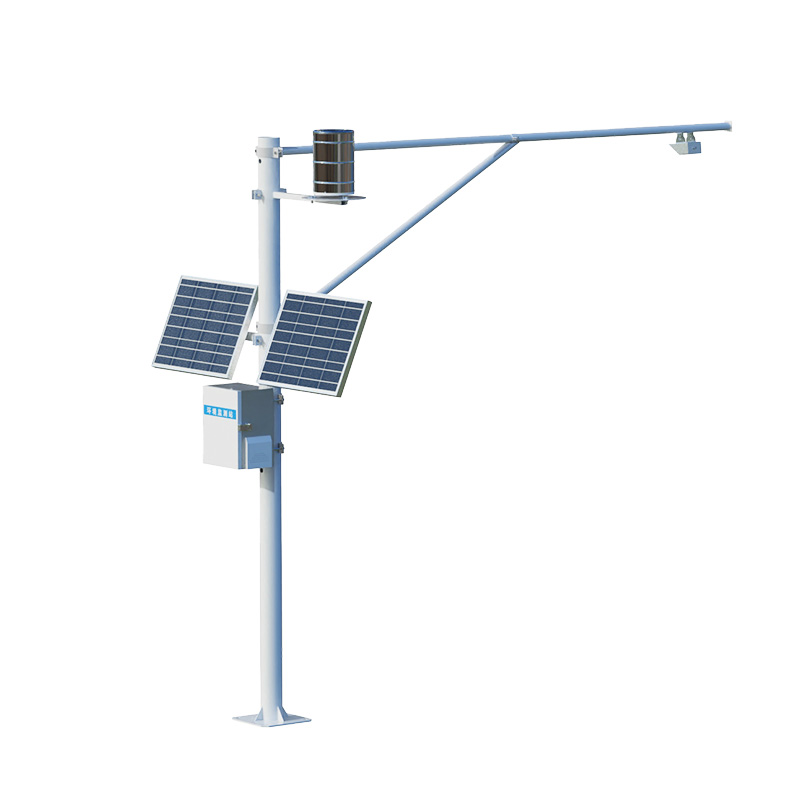
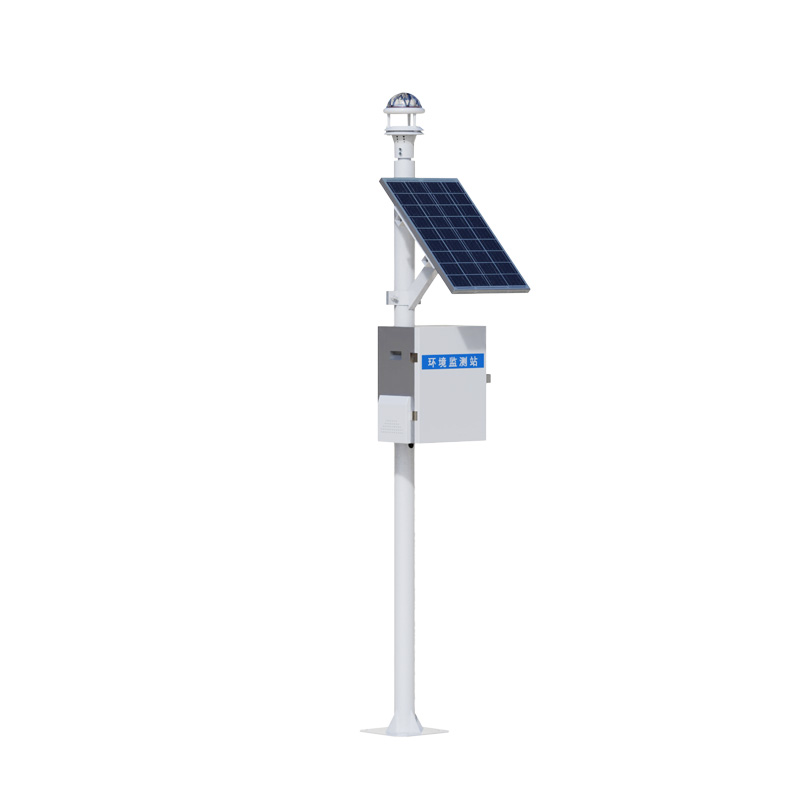
Whether it is river management, reservoir flood control, farmland irrigation, or urban drainage, water levels, ralow velocity, and flow rate are critical to safety and production. In the past, monitoring these hydrological data relied entirely on manual on-site observation and hand recording, which was nme-consuming and labor-intensive but also lagged behind. In the event of heavy rain or floods, the lack of timely monitoring often prevented early warnings, leading to flooded farmlander overflows, and even threats to people's lives and property. The WX-SW3 Water Level, Rainfall, Flow Velocity, and Flow Rate Monitoring Station comprehensively monitors chanhydrological conditions and issues timely warnings, using its practical capabilities to safeguard water safety and facilitate the smooth conduct of production and daily life.
The core value of the WX-SW3Water Level, Rainfall, Flow Velocity, and Flow Rate Monitoring Station lies in its integration of monitoring for four key hydrological indicators: water level, rainfall, flow velocity, and flow rate. It eliminates the need for separate operations or manual recording, achieving uninterrupted 24-hour online monitoring. It captures hydrological changes in real-time and transmits data accurately, allownt personnel to predict risks in advance and respond promptly, thereby reducing losses caused by hydrological disasters at the source.
Saving effort and eliminating the need for manual attendance are the most prominent aages of this monitoring station. Whether it is remote rivers, reservoirs deep in the mountains, urban drainage networks, or farmland irrigation channels, most locations are difficult to access. Manual monitorquires staff to travel back and forth, which not only consumes a large amount of manpower but is also arduous. Once the Water Level, Rainfall, Flow Velocity, ae Monitoring Station is put into use, it can autonomously complete data collection, recording, and transmission without the need for human supervision. Staff no longer have to brave rain or for on-site observations, saving labor costs while ensuring their safety, making water monitoring easy and efficient.
Whether it is rivers, reservoirs, or lakes, or farmland irrigation chaban drainage networks, or scenic water areas, the Water Level, Rainfall, Flow Velocity, and Flow Rate Monitoring Station can function stably. In reservoir management, it monitors wateels and flow rates to prevent exceeding flood control limits and ensure reservoir safety. In river management, it monitors flow velocity and flow rate to detect siltation and overflow hazards in a tiy manner. In farmland irrigation, it monitors rainfall and water levels to help farmers scientifically schedule irrigation and avoid water waste. In urban drainage, it monitors rainfall and water levels to assist iy activation of drainage plans and reduce urban flooding. Whether for large water bodies or small channels, and whether in complex outdoor environments or urban areas, it can precisely adapt to meet the l monitoring needs of different scenarios.
Article address:
http://www.qxhjjc.com/en/newcen/1860.html






 Home
Home phone
phone Product Overview
 Contact Us