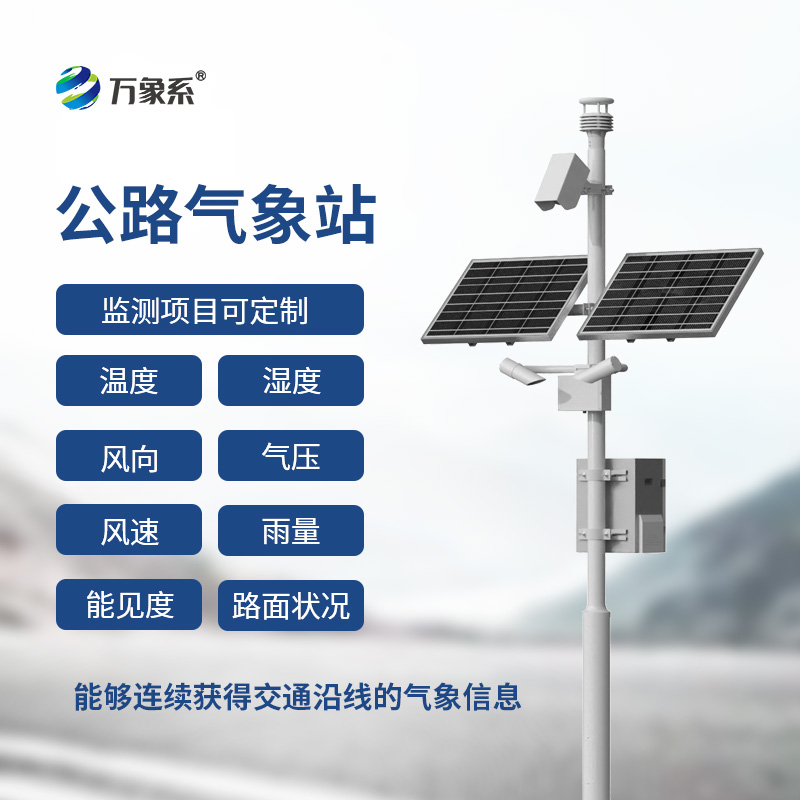
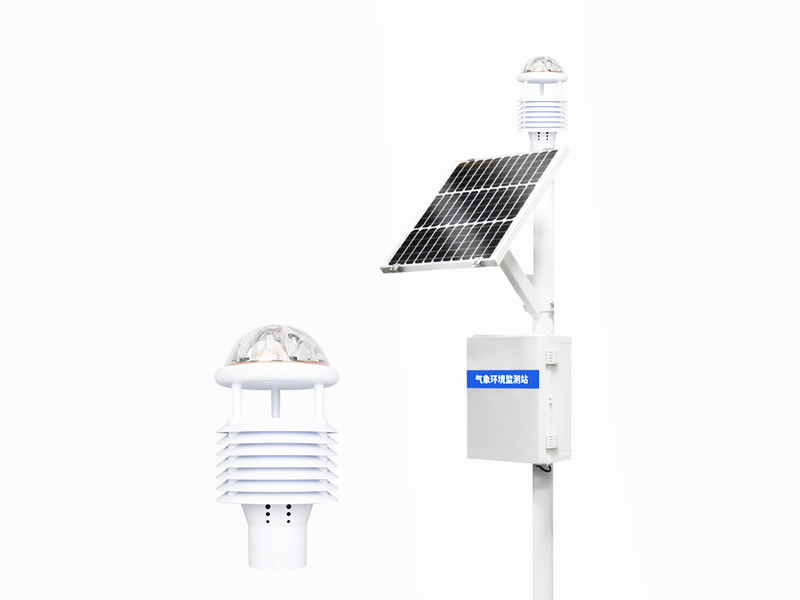
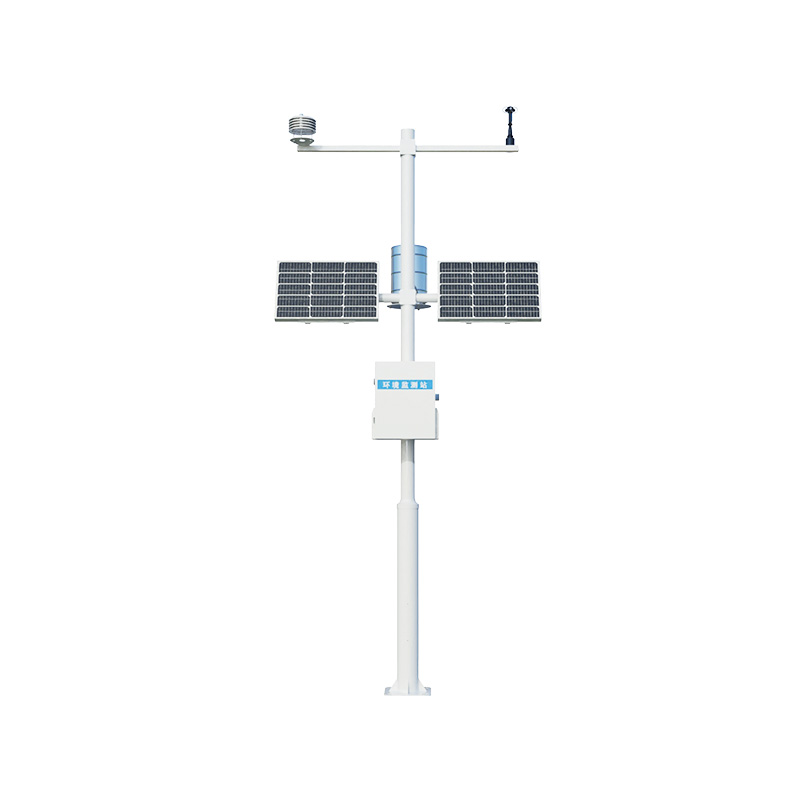
In today's increasingly busy highway traffic, the WX-GQX8 highway meteorological monitoring station is becoming an important technological equipment for safeguarding road safety. It breaks the limitations of traditional meteorological monitoring and road management, and uses accurate meteorological perception capabilities to ensure the safe passage of highways, allowing every trip to stay away from the risks brought by adverse weather and providing scientific and efficient support for traffic management.
The core value of the WX-GQX8 highway meteorological monitoring station lies in its ability to keenly capture meteorological changes along the road and timely perceive weather conditions that may affect driving safety. It is like a weather sentinel standing by the highway, monitoring the surrounding weather dynamics day and night. Whether it is sudden strong convective weather or gradual temperature and humidity changes, it can be accurately captured by it, making potential weather risks exposed. This continuous and uninterrupted monitoring enables road meteorological information to no longer lag behind, winning valuable time for dealing with adverse weather conditions.
As a monitoring device that integrates modern technology, highway meteorological monitoring stations have achieved real-time transmission and sharing of meteorological data, breaking through spatial limitations in information transmission. Whether the monitoring station is located in remote mountainous areas or busy suburban highways, relevant management personnel can obtain accurate meteorological information in a timely manner through the terminal platform, and can grasp the weather conditions along the road without physically visiting the site. This efficient information transmission mode enables traffic management departments to quickly respond to weather changes, take timely control measures, and avoid traffic accidents.
The emergence of highway meteorological monitoring stations has bid farewell to the extensive and passive mode of road meteorological monitoring in the past, and entered a new stage of refinement and active prevention and control. It can automatically collect, analyze, and transmit meteorological data without frequent manual intervention, greatly reducing the labor cost of monitoring work and improving the accuracy and timeliness of information. This intelligent monitoring method makes road weather management more efficient and accurate, laying a solid foundation for building a safe and smooth transportation network.
Article address:
http://www.qxhjjc.com/en/newcen/1849.html






 Home
Home phone
phone Product Overview
 Contact Us