In the construction of smart water conservancy and modern flood prevention and disaster reduction, water level monitoring is the fundamental task for grasping dynamic water conditions, preventing flood risks, and allocating water resources. Traditional water level monitoring mostly adopts contact-based equipment or manual observation modes, which can meet basic in daily stable water environments, but easily encounter problems such as equipment failure, data distortion, and monitoring interruption when facing complex scenarios with floods, floating debris, high sediment content, and currents during the flood season. Meanwhile, manual inspection and monitoring have shortcomings such as time lag, strong subjectivity, and difficulty in nighttime monitoring, making it hard to adapt to emergency flood needs under extreme weather. As a new generation of non-contact hydrological monitoring equipment, the WX-SW1 radar water level monitoring station relies on advanced radar detection technology. With core characteristics of stability, safety, precision, and maintenance-free operation, it has become the mainstream equipment for routine water level monitoring in various water bodies such as rivers, reservoirs, flood areas, and irrigation areas.
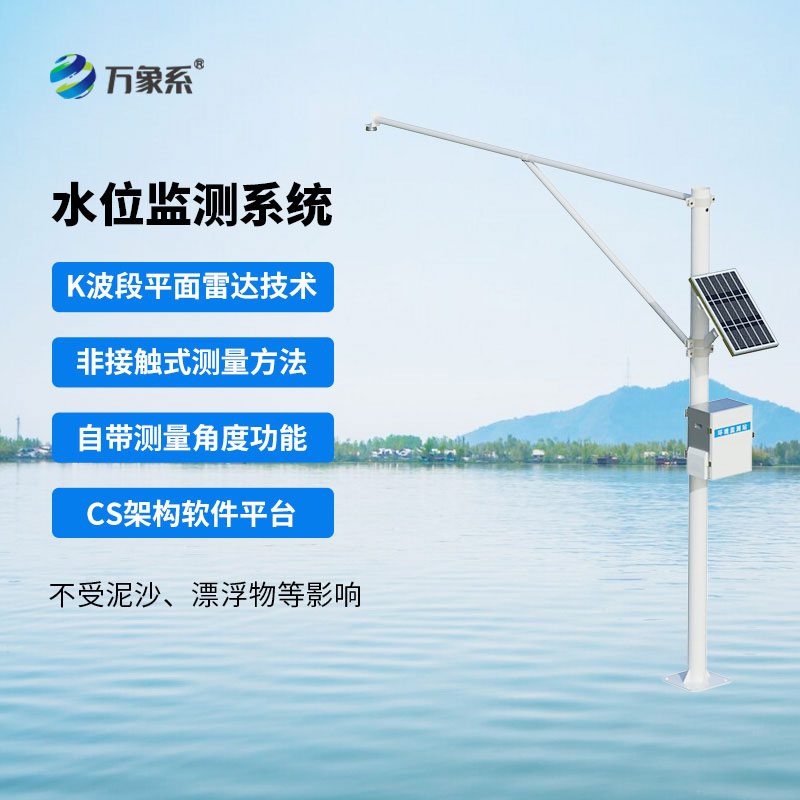
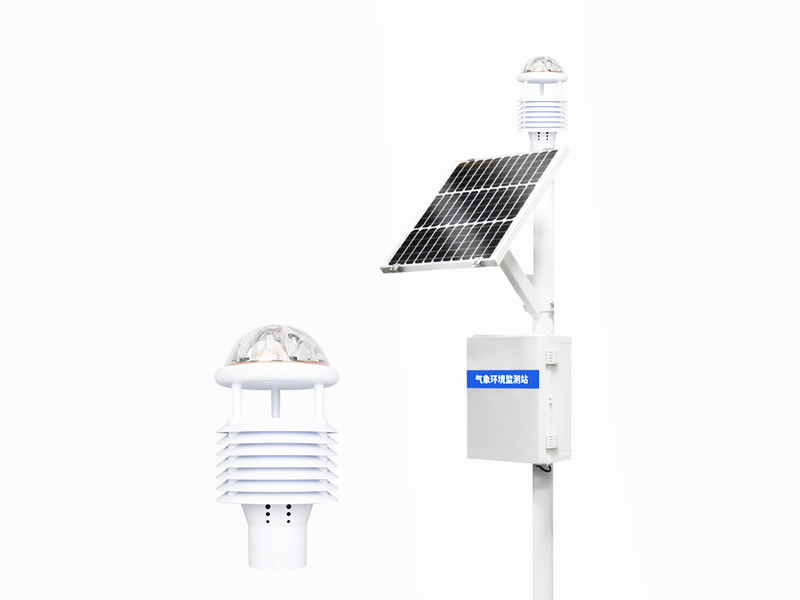
The WX-SW1 radar water level monitoring station is an intelligent water level monitoring device specifically designed for complex water environments. Its biggest technical feature full-process non-contact monitoring, which requires no immersion in water and no contact with the water body, fundamentally avoiding the common drawbacks of traditional water level monitoring equipment. The device water surface dynamics through radar signal induction, collects real-time water level data of the water body 24/7 without interruption, and automatically completes data organization, storage, and transmission, requiring no manual intervention or on-site duty throughout the process. Whether in a daily stable static water state or in complex water conditions during the flood season with strong winds, waves, turbid water, and floating debris, the device can stably output accurate data without being disturbed by factors such as sediment, aquatic plants, floating garbage, and water current impact Compared to traditional monitoring methods, it achieves truly all-weather, all-time, and zero-blind-spot monitoring, effectively ensuring the continuity and authenticity of water condition data critical periods of the flood season.
With its unique non-contact monitoring advantage, the radar water level monitoring station is suitable for most hydrological monitoring scenarios and is widely used in multiple such as water conservancy flood prevention, urban drainage, ecological governance, and agricultural irrigation. In natural water system monitoring, it can be deployed along rivers, streams, and lakes to the rise and fall patterns of water levels over the long term, providing data support for watershed water resource management and water environment governance. In water conservancy hub management, it is suitable key locations such as reservoirs, dams, and sluice gates to monitor real-time changes in reservoir water levels, assisting staff in scientifically conducting water storage and flood discharge scheduling, and avoiding safety risks such as dam overtopping and overflow. In urban flood prevention scenarios, it can be used for monitoring urban rivers, low-lying water systems, and drainage channels to feedback on water accumulation and rising water levels, helping the city drain quickly and avoid urban flooding hazards, providing all-round protection for urban safety during the flood season。
Article address:
http://www.qxhjjc.com/en/newcen/1895.html





 Home
Home phone
phone Product Overview
 Contact Us