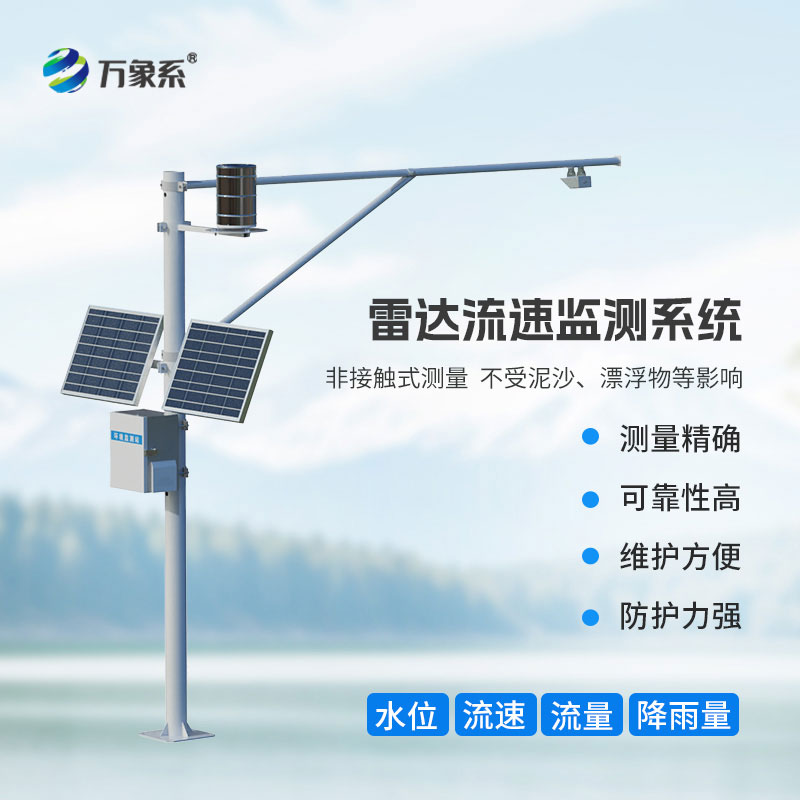
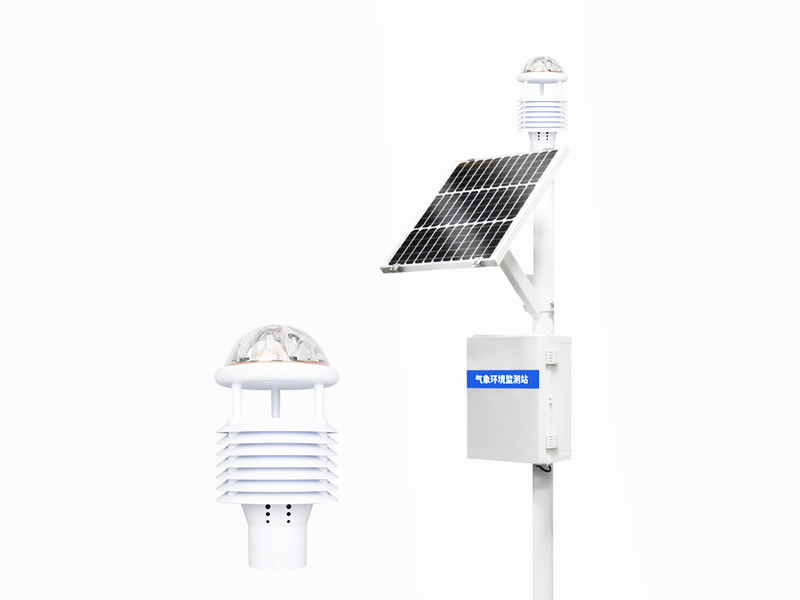
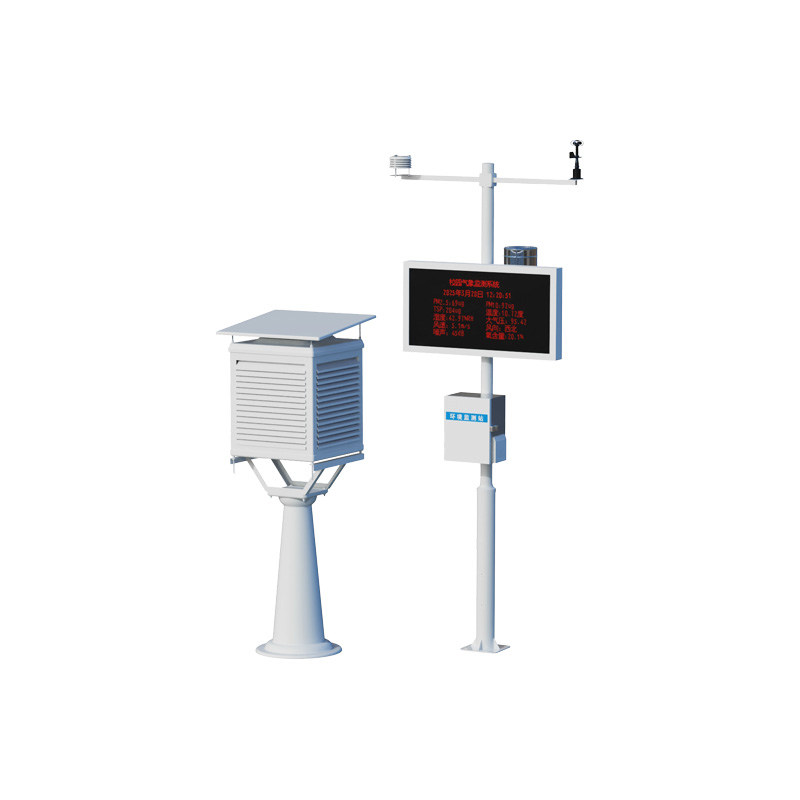
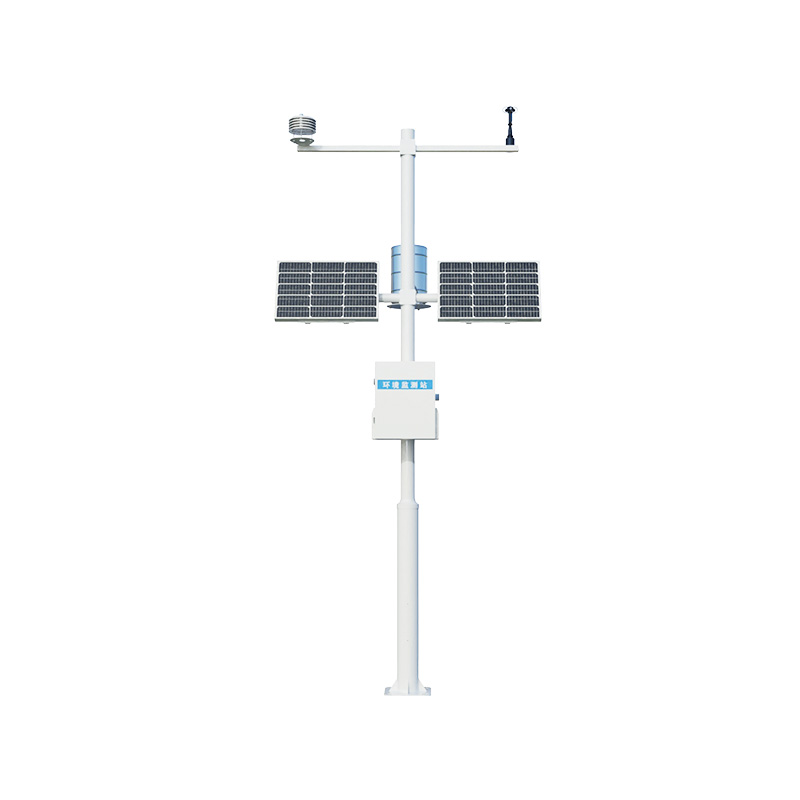
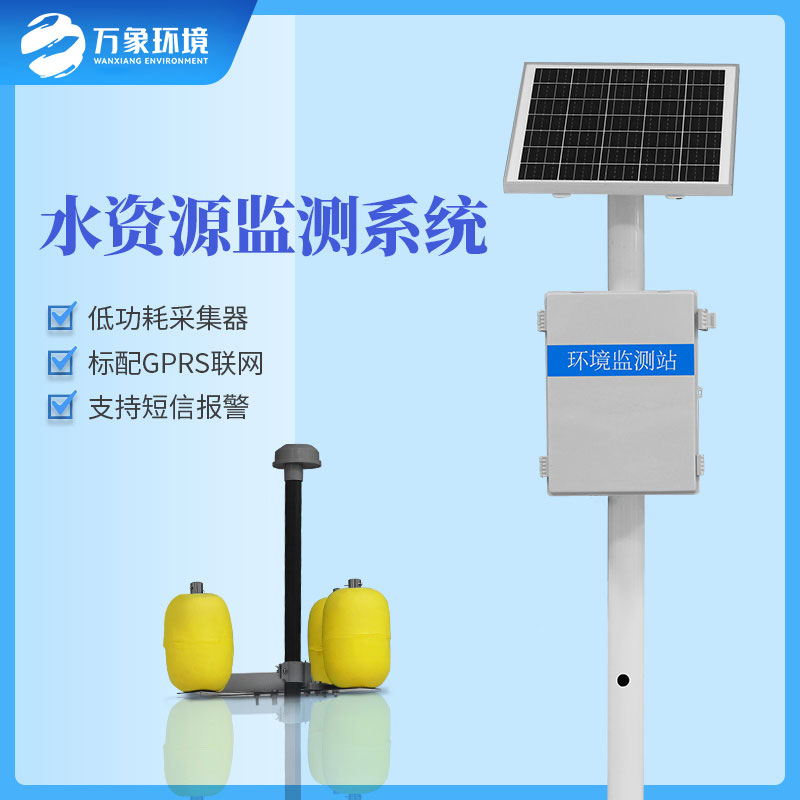
Hydrological work is the core foundation for the development of the water conservancy industry. Hydrological changes as the water levels and volumes of rivers, lakes, and reservoirs are related to both flood control safety during the flood season and daily water resource allocation and water ecological protection. In the, hydrological monitoring mostly relied on staff regularly going to field sites for manual measurement and reading, which was not only time-consuming and labor-intensive, but also made it difficult to accurate water condition data in a timely manner during special periods such as heavy rain and nighttime, resulting in many monitoring blind spots. The emergence of the WX-SW3 hydrological and conservancy monitoring station has provided reliable technical support for hydrological management work, making water management and governance more precise and efficient, and building an invisible line of defense for water conservancy.
The most core advantage of the WX-SW3 hydrological and water conservancy monitoring station is that it achieves all-weather continuous monitoring of water conditions. Under the traditional monitoring mode, staff can only go to fixed sites to collect data at fixed times, and the data that can be obtained in a day is very limited. When encountering late night or weather, monitoring work will be hindered, making it difficult to capture sudden changes in water conditions in a timely manner. The hydrological and water conservancy monitoring station can operate stably and continuously24 hours a day, unaffected by day or night and weather, continuously collecting relevant hydrological information. Subtle fluctuations in data such as water levels and flow rates of rivers, lakes, reservoirs can be captured in a timely manner and transmitted synchronously, allowing managers to grasp the real-time status of the water area at any time.
In flood control and disaster work, the hydrological and water conservancy monitoring station plays an irreplaceable early warning role. During the flood season, heavy rain is concentrated, and river water levels rise rapidly. Flood disasters have the characteristic of strong suddenness. In the past, manual measurement and reporting had a certain lag. By the time water levels were found to exceed the standard and warnings were issued flood control work was deployed, the best time for risk avoidance was often missed. The hydrological and water conservancy monitoring station can track the change trends of water levels and flow rates in time. Once the values reach the warning threshold, it can transmit warning information at the first time, gaining precious time for flood control dispatching, dike inspection, and mass evacuation, relevant departments to allocate flood control materials and deploy rescue forces in advance, maximizing the reduction of losses caused by flood disasters, and safeguarding the life and property safety of the people along banks.
In addition to flood control safety, the hydrological and water conservancy monitoring station also provides a reliable basis for the optimized dispatching of water resources. Water resources are the guarantee for production and life. Agricultural irrigation, urban water supply, and industrial production all depend on a stable water resource supply, and the allocation of water resources requires an accurate grasp of water volume, storage, and change patterns of rivers, lakes, and reservoirs. In the past, the judgment of water resource reserves mostly relied on empirical estimation, which lacked precision and led to situations of local water shortage or water resource waste. Through the continuous hydrological data accumulated by the hydrological and water conservancy monitoring station, management departments can accurately grasp the distribution dynamic changes of water resources in the region, scientifically formulate water supply plans, reasonably allocate water quotas for different regions and industries, make the limited water resources play the maximum utilization benefit, guarantee the stable water use needs of production and life.
Article address:
http://www.qxhjjc.com/en/newcen/1876.html





 Home
Home phone
phone Product Overview
 Contact Us